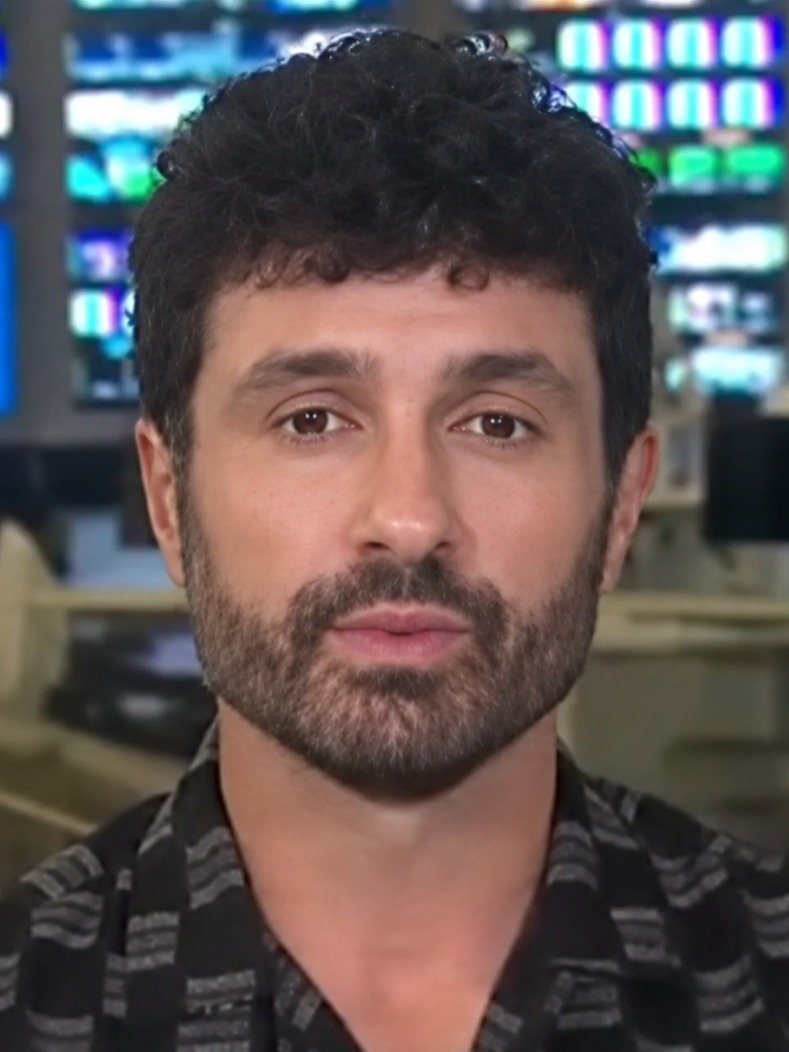
Roughly 20 years ago, Ash Ghaemi’s mother disappeared in Colorado. The case became a homicide investigation, and then it stopped moving. Years later, while using AI at a startup job, Ash noticed how good it was at organising messy data and finding signal, took personal savings, and set out to build a better way to solve crime.
CrimeOwl is the result: an AI platform for cold cases, built for the investigators who carry them. Around 200 users have signed up so far, from private investigators to a crime journalist and a college professor with students, and one private investigator used it to help get a closed murder case reopened. The focus now is custom AI tools for small and medium-sized police stations, the ones that cannot afford Axon or Palantir.
Key takeaways
- The United States has about 350,000 unsolved murders, with 6,000 more added to the backlog every year. Ash puts the blame on red tape and missing units, not on overworked investigators.
- CrimeOwl deliberately ignores active, real-time crime for now and works only on cold cases.
- Growth came from elbow grease: about 200 calls to private investigators, cold email, podcasts and investigator events, because traditional marketing does not work in law enforcement.
- Police sales cycles are the hardest part: “hurry up and wait”, with 3 stations in active talks and more inbound.
- Success means solving a famous cold case no one could crack by hand and landing 10 police stations.
Before any of this
Startup.talk:Where did you grow up, and what was childhood like?
Ash:I grew up in Colorado. I grew up in a family of immigrants. My dad had 5 brothers, all of whom ended up being entrepreneurs to varying degrees of success. My family life was very chaotic and competitive. To wind down, I played a lot of video games and never really liked school. It was too slow and restrictive and I was very curious and loved learning new things faster than how things played out in school.
Startup.talk:What first got you into building technology?
Ash:I'm not sure, to be honest. I was always attracted to computers and video games. I was really attracted to innovation and technology and a better way to do things. I was rebellious by nature and constantly challenged different processes and how things were vs how they should be. I get annoyed by poor design and am constantly thinking about how things can be designed for a better user experience. From there, I just started building things and digging into how technology works.
Startup.talk:What was your first job, and what did it teach you?
Ash:My first job was working at Red Robin, which is a burger chain. I was very shy and I purposefully chose serving to force myself to talk to people. I was the worst server on the floor and they pulled me aside and said if you don't figure things out you will get fired. I ended up turning things around and they gave me an award for the most improved server, and they promoted me to team lead on the busiest nights.
I wasn't the best at upholding corporate standards and practices. However, what I was good at was getting stuff done, and helping the other servers get stuff done while being insanely busy. They described me as a morale boost.
What did it teach me?
Discomfort equals growth. I was very uncomfortable serving and talking to people and I was never outgoing. However, when put into a high pressure situation, I was able to learn and grow and add a new thing to my skills.
So you're capable of a lot more than you ever thought was possible and putting yourself into new situations can tap into things you never thought you had in you.
The road to CrimeOwl
Startup.talk:What made you start CrimeOwl?
Ash:Roughly 20 years ago, my mom disappeared in Colorado. The story is murky and I am still unclear how it came to that point but I suspect there were some mental health issues. After she disappeared it became a homicide investigation and there was no progress. None of the victim advocate stuff did anything, and the investigators seemed resigned to just sitting around and waiting for something to happen.
I decided that wasn't good enough and decided to see if I could build something to help solve the case. I had been using AI at a startup I was working at and noticed how good it was at organizing data and finding signal.
So I took money I had saved up and took a shot at designing a better way to solve crime.
“I decided that wasn't good enough and decided to see if I could build something to help solve the case.”Ash Ghaemi
Startup.talk:What problem were you seeing that convinced you to build CrimeOwl?
Ash:I noticed how investigators were overworked, underpaid, and data was all over the place. I thought that if I could solve my mom's case, I could solve other cases as well. Today, whatever investigators are doing isn't working and you can see it clearly in the data.
There are 350,000 unsolved murders and 6,000 new ones added to the backlog every single year. In what industry can you fail so spectacularly and still have a job? The data says they are failing but they continue to kick the can down the road.
I do want to be clear. It's not the investigators' fault. They are trying to solve crime with one hand tied behind their back. There is tons of red tape and no incentive to solve these cases faster or more efficiently.
There's this sit back and wait attitude in law enforcement. They know they have this problem but they have so much red tape, they are worried they could get in trouble so instead they just wait. It's extremely frustrating to watch because AI is a clear solution to their problem but they are still slow to adopt it. They are afraid of lawyers. They are afraid of getting in trouble.
There are more problems. For example, 600,000 people go missing every year but police stations don't take missing persons cases very seriously. Why? Because most police stations don't have missing persons units. Many don't even have cold case units so they literally don't have the talent to solve these cases or act on them quickly enough to solve them.
“There are 350,000 unsolved murders and 6,000 new ones added to the backlog every single year.”Ash Ghaemi
Startup.talk:What is it like to build CrimeOwl in the USA?
Ash:It's very slow moving like an oil tanker. I could only imagine what it would be like trying to solve this in Europe which is way more strict with data and access.
Startup.talk:How has CrimeOwl grown so far?
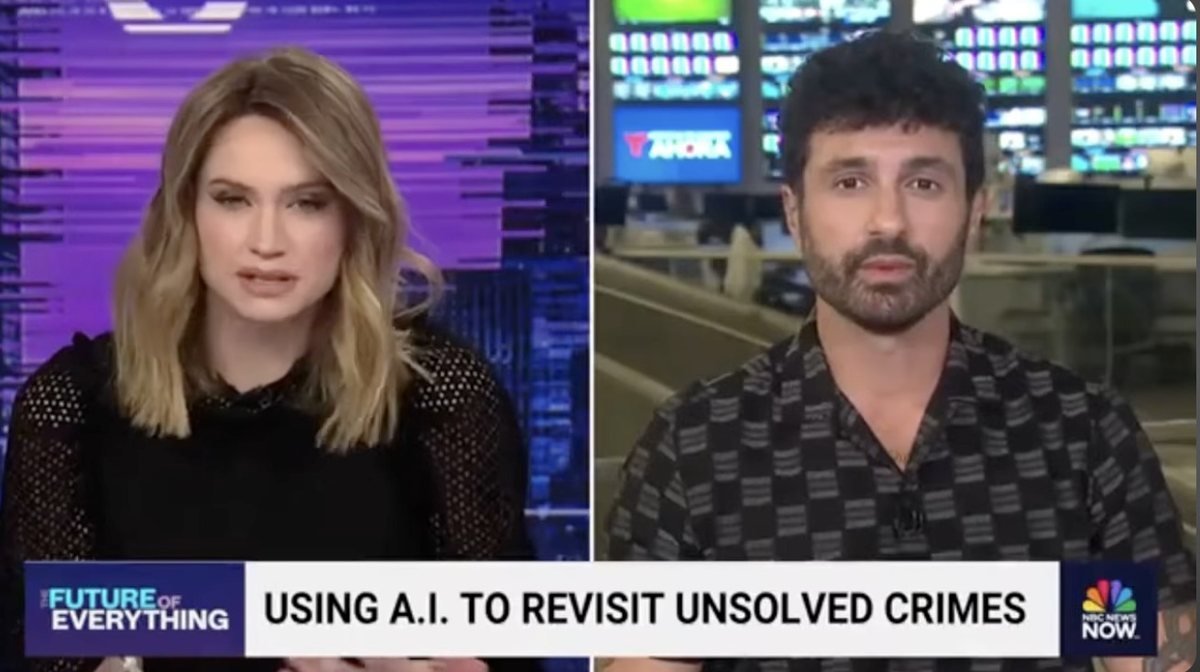
Ash:Pure elbow grease. I called roughly 200 private investigators and pitched CrimeOwl. I did tons of cold email outreach. I went on podcasts and investigator events. Traditional marketing doesn't work as well in law enforcement so you have to hit the pavement.
The product
Startup.talk:Why the name CrimeOwl?
Ash:An owl represents wisdom and I think with AI, you can tap into the wisdom and intelligence of a crime and solve it.
Startup.talk:What do you deliberately leave out of CrimeOwl?
Ash:We are hyper focused on solving cold cases instead of active crime. We can figure out the active real time crime later once we solve a bunch of cold cases.
Startup.talk:What is the one detail in CrimeOwl you are proudest of?
Ash:That I took the risk to launch something in an extremely difficult vertical while most other people were chasing consumer facing apps. It was a massive sacrifice of time and money. It's in an industry I have no experience in and it forced me to face incredible grief and past demons. I literally had to face my worst trauma every day while building CrimeOwl which eventually helped me get past the grief.
“I literally had to face my worst trauma every day while building CrimeOwl which eventually helped me get past the grief.”Ash Ghaemi
Positioning
Startup.talk:Who is CrimeOwl for, and what job does it do for them? Describe the person who gets the most value.
Ash:Right now, we've shifted focus to custom AI tools for police stations. Today, we only want to work with small and medium-sized police stations that are underserved and have degrading tech stacks that hinder their ability to solve crime. The person who gets the most value are investigators at these police stations.
Startup.talk:How do you view your positioning relative to the other companies in your space? Which competitor do you think of first?
Ash:Axon is the first competitor I think of. People always compare us to Palantir as well. However, those companies only go after large government contracts. We're going after the underserved and forgotten police stations that don't have budget to pay Axon or Palantir.
Startup.talk:What is your core moat that prevents competitors from replicating what you offer?
Ash:We don't really have a moat yet, to be honest. I think we will figure that out as we go. Someone could realistically come in and replicate it but that's the risky environment we are in due to AI.
Maybe risk appetite and courage? I doubt many would take a risk like this but it's deeply personal for me. Maybe the story is my moat because most people don't have the trauma of dealing with a lost loved one driving them to make sure this works.
“Maybe the story is my moat”Ash Ghaemi
Startup.talk:What are some of the use cases for CrimeOwl that are not obvious and can add a lot of value to users? List as many as possible.
Ash:We had a private investigator use CrimeOwl to help re-open a murder case. I can't tell you the exact details but it required uploading thousands of files of data to find something they could take back to the DA to re-open the case. The case was closed before they used CrimeOwl, but they re-opened it.
Today, private investigators can use CrimeOwl for stuff like this. Citizen detectives can also use it to investigate old cold cases.
Also our first user was a crime journalist. From what I can tell, she uses it to organize her news stories. We also have a college professor using it along with their students.
The hard part
Startup.talk:How many people or companies use CrimeOwl today?
Ash:We have roughly 200 users. It's not clear how many different PIs use it because they don't always reach out and tell us what's going on. We also don't have visibility on their cases nor are we watching what they are doing. No users can access or see anyone else's cases and data does not mix with each other. Each case is its own ecosystem.
Startup.talk:What is a challenging time you had building CrimeOwl?
Ash:The sales cycles for police stations are absolutely brutal and a massive test of patience. Penetrating and working with police stations is very hard to do. That is the hardest time I've had so far. I constantly question if I'm doing enough but in this industry, it's hurry up and wait.
Startup.talk:Who believed in you before there was anything to show? What did they say or do?
Ash:My partner Martijn Van Halen. Other than that, I didn't tell a lot of people. Also, shout out to Joe Kennedy who is a world renowned cold case expert. He believes in CrimeOwl and the impact it can have on police stations.
What it is all for
Startup.talk:What would make you say CrimeOwl has succeeded?
Ash:We solve a famous cold case no one else was able to solve by hand and we've landed 10 police stations.
The road ahead
Startup.talk:What are your milestones for the next 12 to 18 months, in users and revenue?
Ash:5 police stations and 20 cold cases solved. Tough to really forecast users. We don't know who will be using CrimeOwl in a police station yet. We're actively in contact with 3 and have several inbound leads from others.
Revenue? Not sure. Again, it depends on what the police station is willing to pay. We're flexible. It's less about revenue and more about making an impact.
Startup.talk:Where do you want CrimeOwl to be in five years?
Ash:I want it to be the go-to platform for small and medium-sized police stations to solve cold cases and eventually real time active crimes.
Startup.talk:What are your hopes and fears for a post AGI world?
Ash:I don't have any fears. I hate doomers. They are dismissive of history. Every information technology has compounded opportunities. It would be a massive upset if AI was the one technology that destroyed humans rather than helped them achieve new things.
This interview was conducted in writing and has been edited lightly for length and clarity.
About CrimeOwl AI
CrimeOwl, founded by Ash Ghaemi, builds AI tools that help investigators, private investigators and small and medium-sized police stations work cold cases.
| Attribute | Verified Detail |
|---|---|
| Company | CrimeOwl AI |
| Founder(s) | Ash Ghaemi |
| Country | USA |
| Grew up | Colorado |
| Focus | Cold cases |
| Users | About 200 |
| Also built | RootData |
| Official Website | crimeowl.ai |
More Startups in Spotlight
For founders
Building something? Want to share your journey?
Tell us how it started, what nearly broke it and where it is headed. We will turn it into a story like this one.
Share your journeyFor readers
Want to read more human stories behind the startups?
New founder interviews and stories, as they are published.
Follow us on LinkedIn