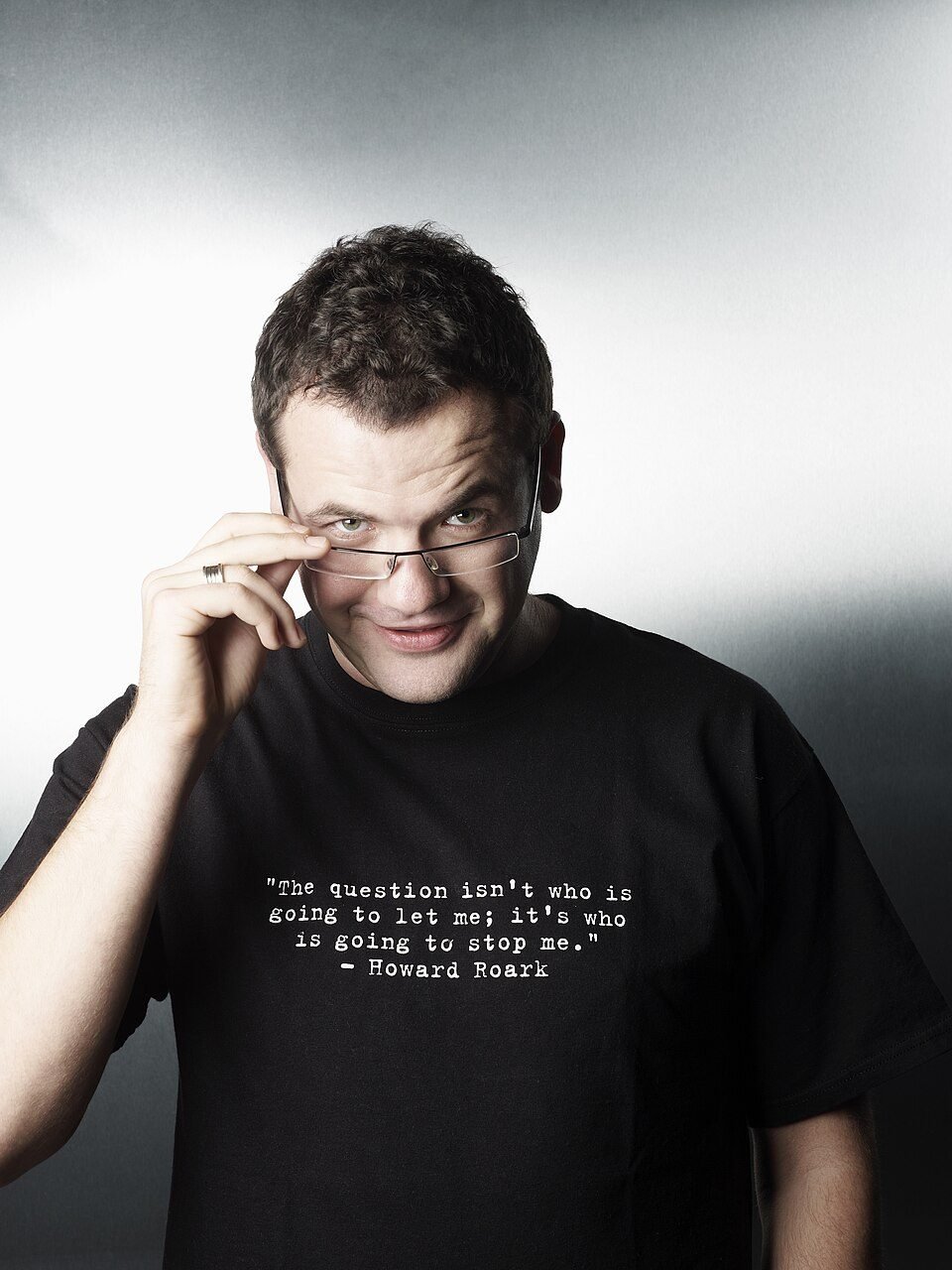
At six years old, Ruslan Kogan and his cousin sat tugging at their own baby teeth. The plan was simple: the Tooth Fairy paid coins, so more teeth meant more money. He has told Forbes Australia the instinct to turn something small into cash never really left him.
He was born in Babruysk in Soviet Belarus and arrived in Melbourne around 1989 with his parents and sister. The family landed in the housing commission flats of Elsternwick. His parents had no business background, and both worked three or four jobs after migrating. "I saw that my parents would just pursue opportunities and take risks and work really hard," he has said.
He quit Accenture soon after the first shipment of mostly plasma screens was fulfilled.
So the boy did the same. Near the golf club, he collected lost balls, cleaned them and sold them back to golfers. At Melbourne High he built websites for money. He studied IT at Monash, then took a consulting job at Accenture, where, by his own account, he did not enjoy corporate life. At night he sold imported T-shirts and wallets on eBay.
What almost nobody knew was how little was behind the next step. In 2006 he listed plasma and LCD televisions made in Chinese factories on eBay as pre-orders, with auctions starting at one cent. Customers paid before the goods existed. He put the first shipment on credit cards. People told him it would fail, and no investor wanted to know. He quit Accenture soon after the first shipment of mostly plasma screens was fulfilled.
The pre-order trick was the engine. Money from one batch bought the next, and the company never raised a dollar from outside investors until its ASX listing in July 2016, about ten years in. By then customers had heard of the brash founder who dared JB Hi-Fi's boss to a A$1 million bet, sold free HDMI cables to mock retailers' margins, and put a parody product up against the internet filter.
The bravado had a price. Regulators ordered it to change price-comparison ads in 2009, a court fined it A$350,000 in 2020 over false discounts, and a Mighty Ape purchase turned painful, with a write-down that pushed the group into a loss. In 2026 an ABC investigation questioned pricing on its exclusive brands, which Kogan denies.
Yet the business is bigger than the garage it began in. In the year to June 2026 the group moved about A$1.04 billion in gross sales and made A$41.8 million in adjusted EBITDA, though the shares fell sharply on the day.
The lesson sits in those baby teeth. Kogan never waited to be funded or approved. He found the cheapest way to start, let customers pay first, and kept control until he had real numbers to show.