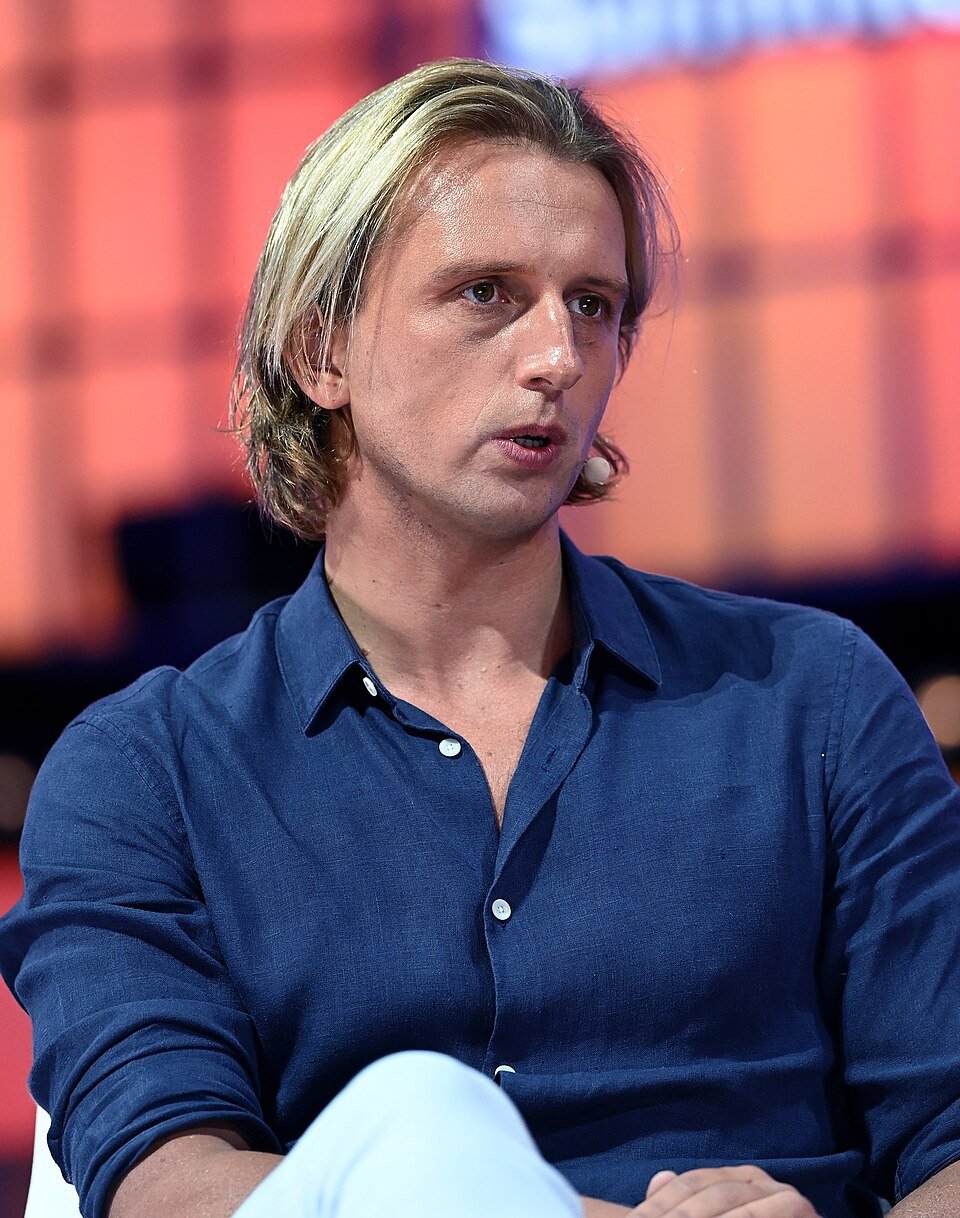
The first cheque into Revolut came from the man running it. Nik Storonsky put in about £300,000 of his own savings, money he had earned as a trader, and he was the company's first investor. It was a bet with no safety net, placed by someone who had learned to take hits.
He was born in Dolgoprudny, a science town outside Moscow, in 1984. His father was a physicist and engineer. Nik boxed and swam as a child and later became a state champion during university. He said, in sources recorded about him, that he started reading economics and business books at six. The hunger came early, and so did the habit of preparing for a fight.
Nik boxed and swam as a child and later became a state champion during university.
He studied physics at the Moscow Institute of Physics and Technology and economics at the New Economic School, both finishing in 2007. In 2006 he had already moved to England, to work as an equity derivatives trader at Lehman Brothers in London. Credit Suisse followed, and he stayed there until 2013.
The spark was dull and practical. Travelling for work, he noticed how much banks and card companies took in fees and bad exchange rates. He wanted a card that charged less. In December 2013 he founded the company, found a software engineer named Vlad Yatsenko from Deutsche Bank to build it, and had a prototype in early 2015. The public launch came in July 2015.
What almost nobody saw coming was how long the real fight would last. Revolut spread quickly, but regulators did not let it call itself a bank. It applied for a UK banking licence in 2021, got a restricted one only in July 2024, and a full one in March 2026. In between came a cyberattack in 2022 that exposed data of more than 50,000 customers, criticism over account freezes and fraud handling, and in 2026 European restrictions on some of its activity.
The numbers kept growing regardless. In 2025 it reported revenue of £4.52 billion and net income of £1.3 billion. A secondary share sale in July 2026 valued it at US$115 billion, and by September it had over 80 million customers in 40 countries. Forbes put Storonsky's fortune at US$18.8 billion in 2026, and he renounced his Russian citizenship in 2022.
The quiet part of the story is the savings. Not a grant, not a famous investor, but one trader's own money, enough to hire an engineer and find out if the idea held.
For a first-time founder: the first investor who truly shows conviction is you, and the size of that cheque tells everyone else how to read your pitch.