Before it was Arm, it was a name nobody would remember. On 12 November 1990 the company was registered as Widelogic Limited, a placeholder, and three weeks later it became Advanced RISC Machines. That quiet paperwork hid a small miracle: twelve engineers from Acorn Computers, a Cambridge company best known for school computers, were about to be handed to a stranger.
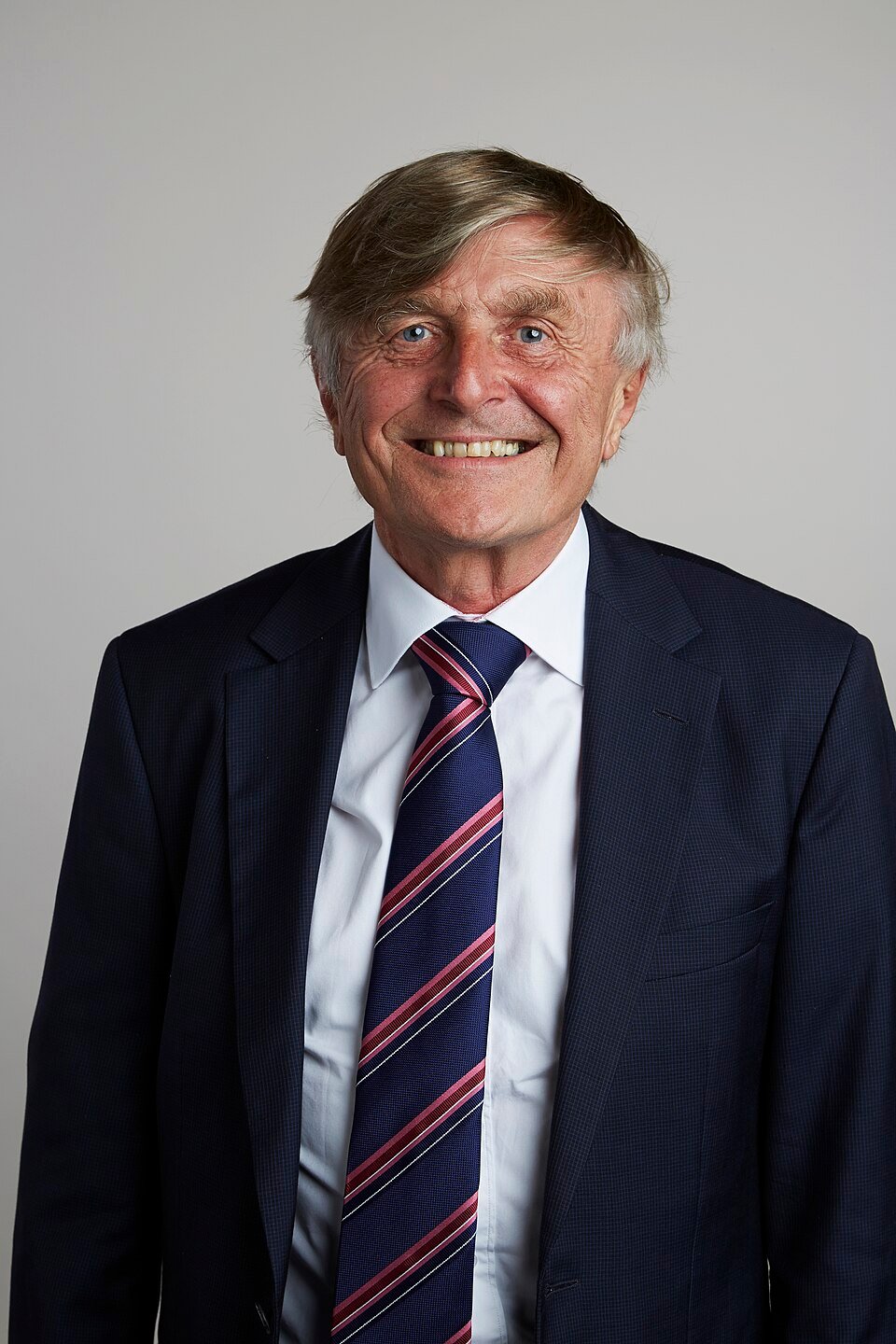
The stranger was Robin Saxby, born in Chesterfield in 1947. As a teenager he ran a television repair business, and he later described himself as destined for the electronics industry. He studied electronics at Liverpool, graduating in 1968, then moved through Pye, Motorola and European Silicon Structures. He was the kind of engineer who understood both the soldering iron and the sales call.
As a teenager he ran a television repair business, and he later described himself as destined for the electronics industry.
What the partners had was odd. Acorn supplied the people. VLSI Technology supplied the tools. Apple put in US$3 million because it wanted a low-power chip for what would become its Newton handheld unverified. Larry Tesler, an Apple vice president, helped find a chief executive, and the search landed on Saxby, who joined in 1991. Hermann Hauser, the Vienna-born physicist who had co-founded Acorn and who arrived in England at 16 to learn English, had helped push the spin-out into existence.
Then came the hard part: nobody was buying. Arm was tiny, and the idea that a British company with a dozen engineers could out-muscle chip giants was close to a joke. Saxby's answer, credited with the company's rise, was to stop competing on manufacturing. Arm would license the design to anyone, take a fee up front and a royalty on every chip. Others would bear the cost of factories. Steve Furber later recalled that even the name was a concession to Apple, which did not want a rival's brand in the title.
It took until 1993 to make a profit. After that the model compounded. By the time Saxby's ten years as chief executive ended, market value had passed US$10 billion, and Arm had become the quiet standard in mobile phones.
The price came later. SoftBank bought the company in 2016. A planned US$40 billion sale to Nvidia collapsed in February 2022 under regulatory opposition, and disputes over Arm China strained relations. Arm returned to the public markets in September 2023, raising US$4.87 billion at a US$54.5 billion valuation, with SoftBank keeping about 90 percent. For the year to March 2026 it reported revenue of US$4.92 billion.
The story is a little unfair to the people. The architecture survives, the licence structure survives, even the Cambridge roots survive. But the first move was made by a former television-repair teenager who looked at a room of brilliant engineers and decided the product was not the chip but the permission to build it.
For a first-time founder the lesson is awkward: sometimes the most valuable thing you can do is give your best work away, on terms that make you the foundation of everyone else's success.