A fuel-cell company in a small Essex town is not the picture most people have of ITM Power. It started in June 2000 in Saffron Walden, making fuel cells. Only later did it move into electrolysers, the machines that split water into hydrogen.
Who founded it, I could not confirm from the sources I read, and I will not name anyone on a guess. The personal side of this company is thin. What the record offers instead is a company's life and the man who led it longest.
The company dropped its 5 GW target, cancelled a planned second Sheffield factory and said Cooley, after 13 years, would leave.
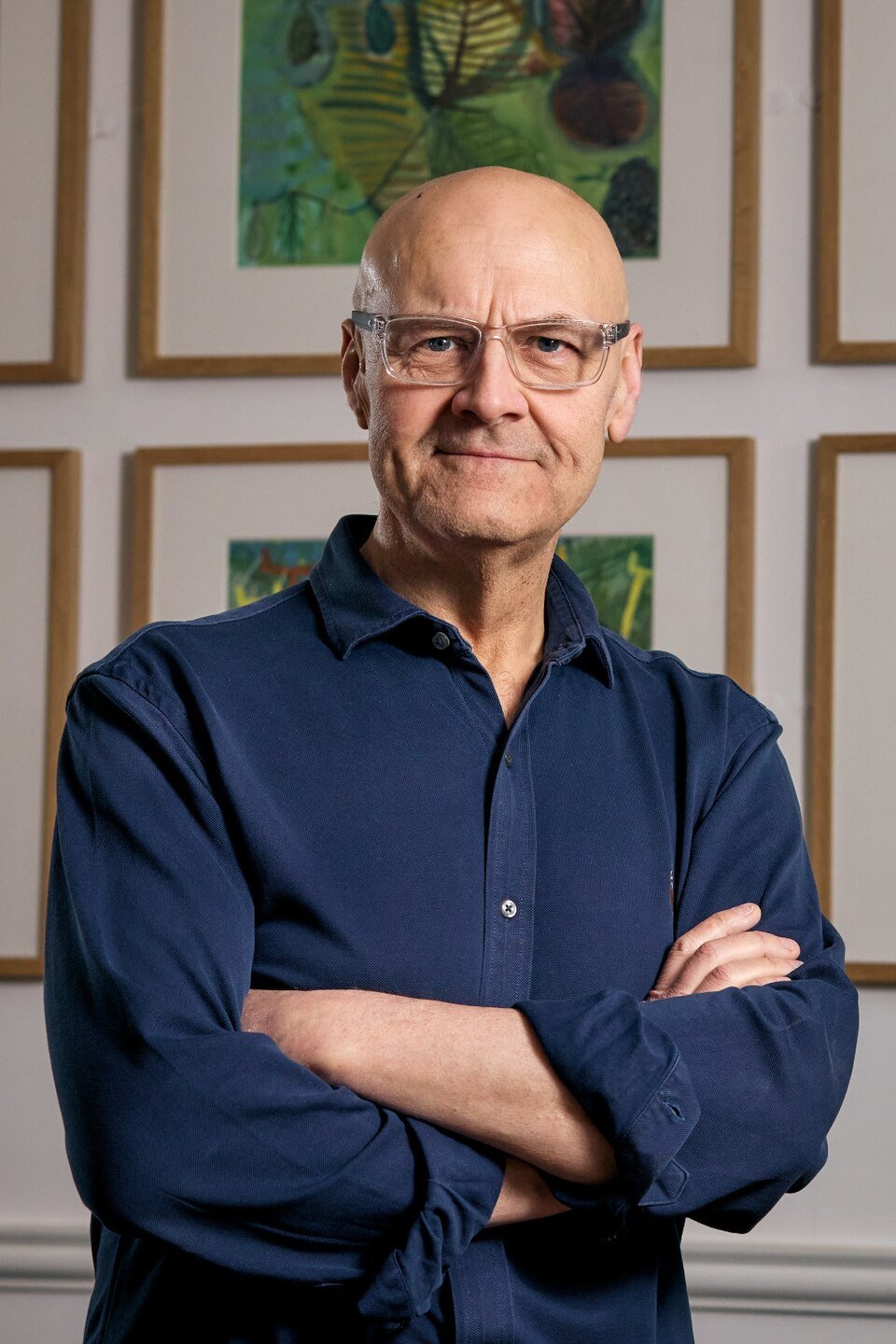
In 2004 ITM floated on AIM and raised GBP10m, becoming the first hydrogen company listed on the London market. Then it waited. Hydrogen was a story that kept being told and not bought. In 2009 Graham Cooley took over as chief executive. He had run Sensortec and founded Metalysis and Antenova, and a podcast listing frames his time at ITM as one that began almost out of cash and ended with a GBP250m raise. That is a headline, not a source I could read in full, so I use it only as a signal.
The turn came in 2019. Linde plc invested GBP38m as part of a GBP52m raise and a joint venture, ITM Linde Electrolysis, followed in January 2020. A GBP172m raise in 2020, including GBP30m from Snam, and GBP250m in October 2021 followed, with plans for 5 GW of annual capacity by 2024.
The price came next. In 2022 the pre-tax loss almost doubled to GBP46.7m on revenue of just GBP5.6m. The company dropped its 5 GW target, cancelled a planned second Sheffield factory and said Cooley, after 13 years, would leave. Dennis Schulz became chief executive in December 2022.
Revenue reached GBP16.5m in 2024, still small beside the money raised. The industry that attracted the cash is still waiting for the customers.
The lesson is patience of a particular kind. ITM survived two decades because it had a technology and a listing, and then it learned that raising money for capacity is easier than selling to fill it.