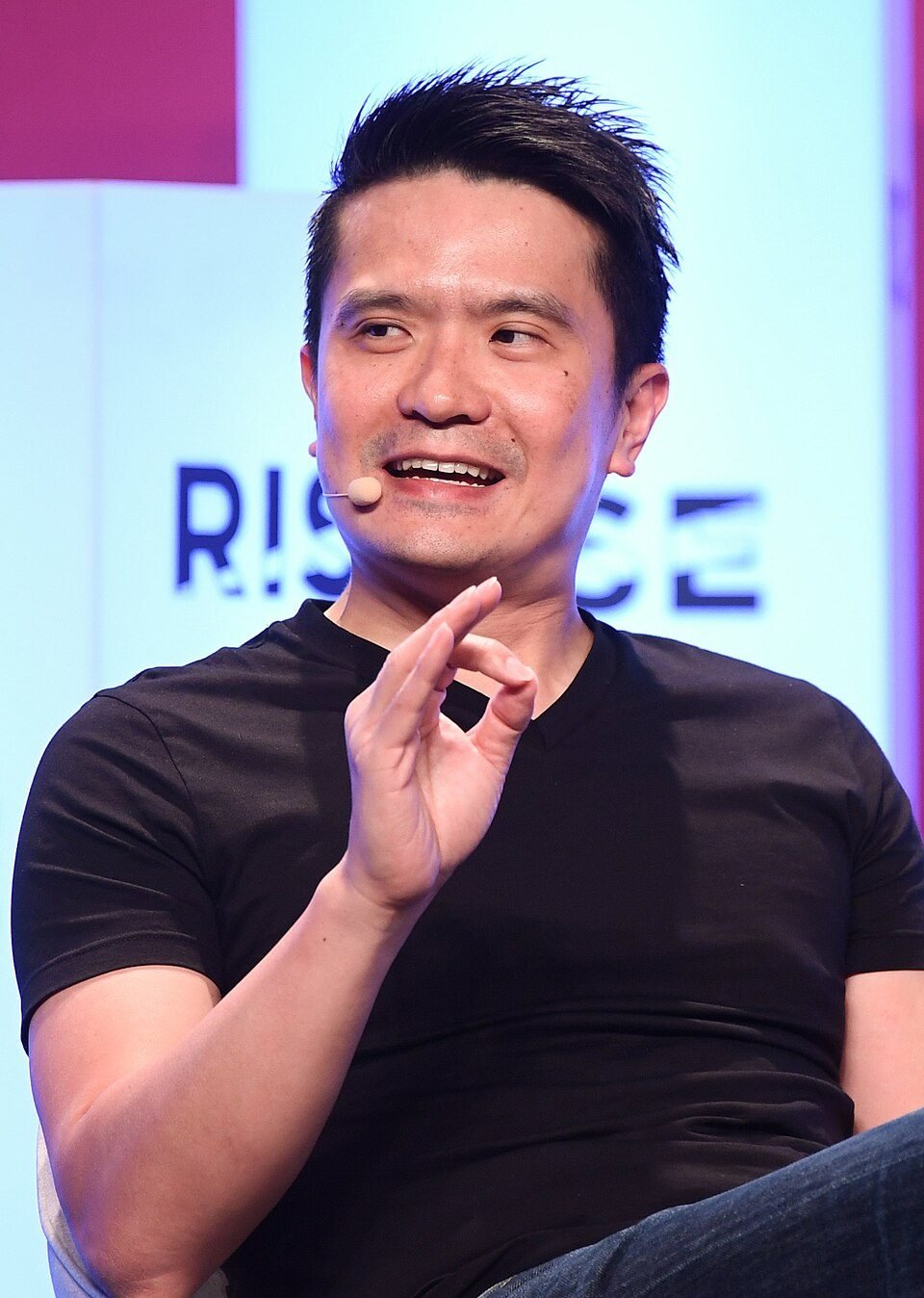
As a child, Min-Liang Tan pirated a game. Decades later, a lawyer and a billionaire, he paid for it. He put US$10,000 into the Kickstarter for Wasteland 2, the sequel to the game he copied, and has said it was to atone for the theft. The developers wrote him in as a non-player character.
He was born in Singapore in 1977, the youngest of four. Two siblings became doctors. He went to Raffles Institution and Hwa Chong Junior College, then studied law at the National University of Singapore. By 2002 he was in the top 20 of his postgraduate class and working as an advocate and solicitor at the Supreme Court. It was the safe road, and everyone around him would have understood it.
The company named products after predators, snakes for mice and spiders for keyboards, and spoke to gamers as peers.
He took a different one. In 2005 he and an American, Robert Krakoff, relaunched a brand with a messy past. Razer had begun in 1998 in San Diego as a subsidiary of Karna LLC, built to sell a high-end gaming mouse called the Boomslang. Karna went bankrupt in 2001. The brand survived. Tan and Krakoff bought it and restarted, with backing from Li Ka-shing and Temasek.
What nobody could have guessed was how far a mouse could go. The company named products after predators, snakes for mice and spiders for keyboards, and spoke to gamers as peers. The DeathAdder line later sold more than 20 million units.
The company kept reaching. It bought the software of the Ouya microconsole in 2015, THX in 2016 and the phone maker Nextbit in 2017. On 14 November 2017 Razer listed in Hong Kong under the code 1337, gamer slang for leet. Shares closed about 18 percent higher on day one. Tan, then 40, was reported to be worth US$1.6 billion, the youngest self-made billionaire in Singapore.
Then came the misses. The game store closed. Ouya shut. The Razer Pay wallet was closed in 2021. In 2020 the Federal Trade Commission found it had overstated the protection of its Zephyr masks, and the company refunded over US$1.1 million. In 2019 Kotaku reported accusations, from 14 former staff, that Tan had berated and threatened employees.
In May 2022 Razer went private again, after revenue had reached US$1.62 billion for 2021. Krakoff had died the month before.
The odd thing about Tan is how small the origin was. A boy copies a game, a lawyer buys a failed mouse brand, and the debt is finally paid in a crowdfunding page. Founders often build the thing they once could not afford.