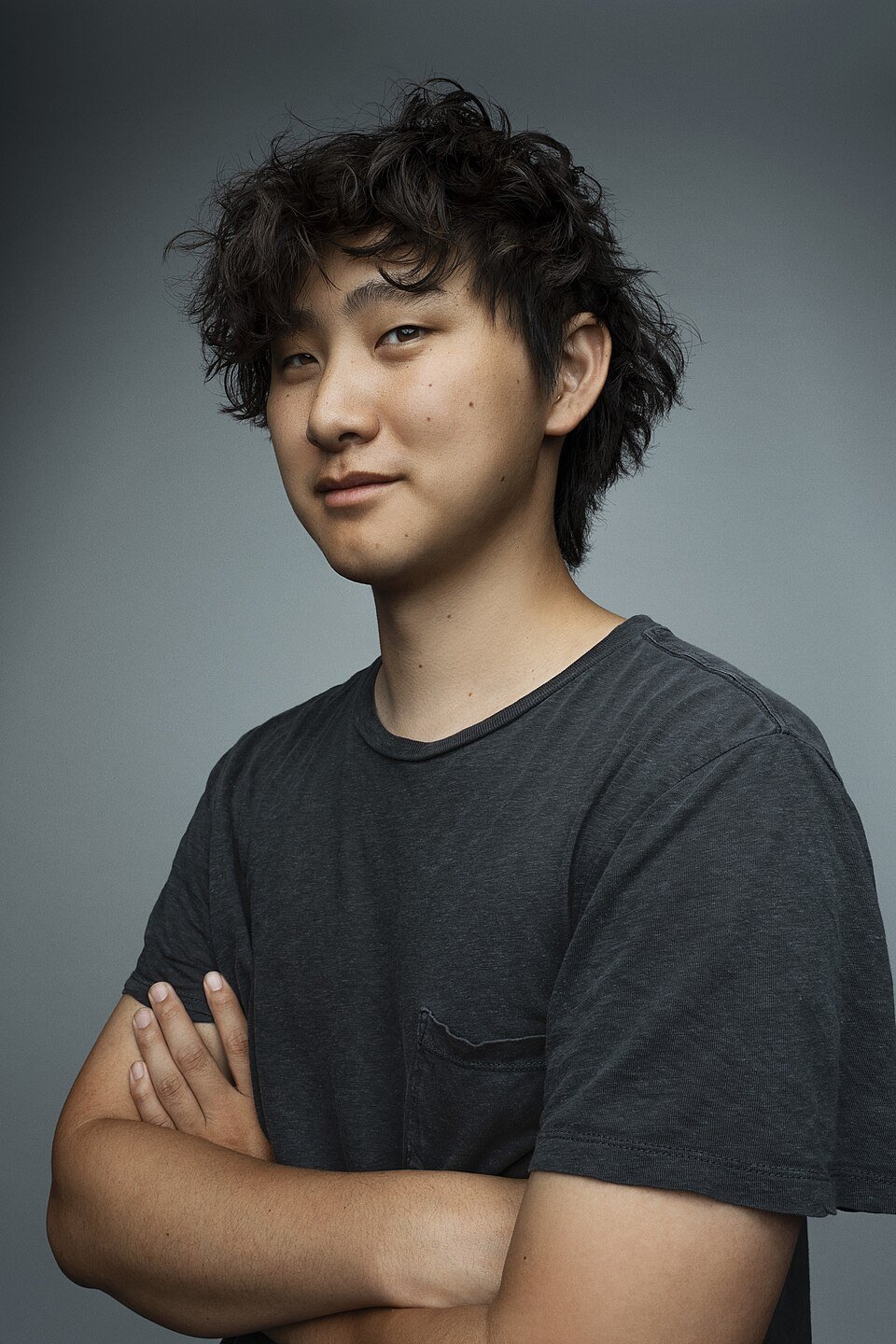
In sixth grade, Alexandr Wang narrowly placed fourth in his state math competition. Fourth place won him a trip to Disney World, and he has called it the start of his addiction to math contests. He was a kid in Los Alamos, New Mexico, a town of about 10,000 people where the main employer was the national laboratory.
Both his parents were physicists there. They had come to the US in the 1980s for their PhDs, and his mother has worked only at the lab. He joined the Rocket Club in fourth grade, played violin competitively, and has said he learned to handle stress early. His parents, he has said, would have loved it if their children also did physics. He chose computer science.
Wang has said he saw Nvidia leading on compute while nobody was focused on the data AI would need.
He went to MIT, took graduate machine learning courses as a freshman, and left after a year because, in his words, he really wanted to study this AI thing. By 19 he had founded Scale AI. A co-founder came with him: Lucy Guo, raised in Pleasanton, California, who as a teenager had written bots for Neopets and sold the in-game assets for money. She had left Carnegie Mellon for a $100,000 Thiel Fellowship in 2014.
They went through Y Combinator in 2016. Wang has said he saw Nvidia leading on compute while nobody was focused on the data AI would need. In 2019 Founders Fund put in $100 million and the valuation passed $1 billion.
Then the partnership broke. Guo was fired in 2018, two years in, and the sources do not say why. She went on to found Passes. Wang stayed, owned about 15 percent by 2021, and became a billionaire at 24 when a round valued Scale at $7 billion.
The work was never as clean as the valuation. Remotasks, the contractor platform, drew criticism over pay cuts, late payments and for obscuring its link to Scale, and lawsuits in 2024 and 2025 alleged wage theft and psychological harm from disturbing content. In January 2023 Scale cut 20 percent of its staff.
The bet still paid. Revenue was $870 million in 2024. In June 2025 Meta agreed to take 49 percent for roughly $14.3 billion, Wang left to join it, and Jason Droege became CEO.
What lasts from that Disney trip is the pattern: a boy who barely made fourth place kept entering contests, and the habit of entering was the whole advantage. The partner who started beside him left in 2018 and built something else.