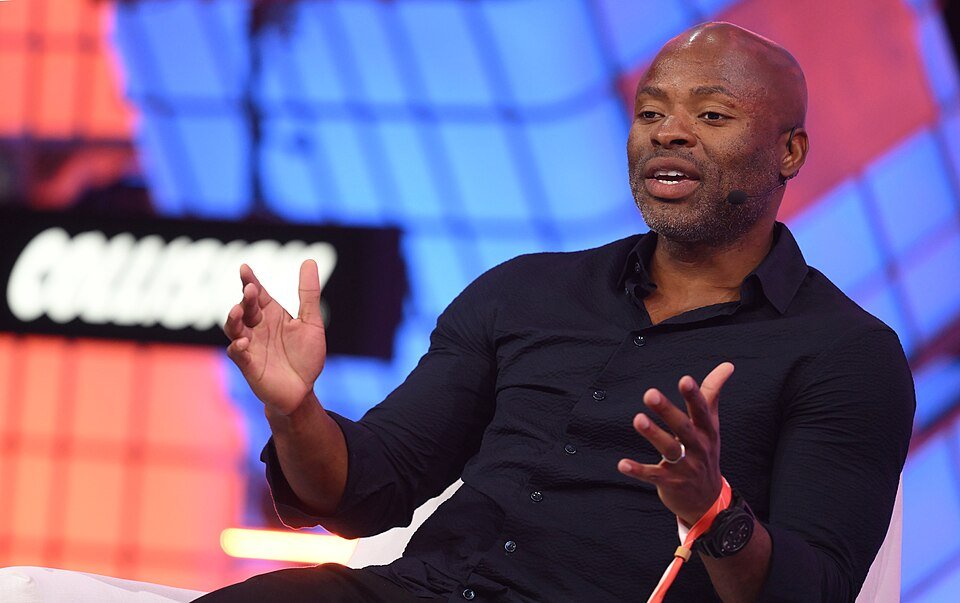
When Tope Awotona was 12, his father was killed in a carjacking in Lagos. His father had left a microbiology job to start his own company, and had shown his son what a business looked like. His mother worked at a bank. After the killing, she moved the family to the United States, to the Atlanta area.
What almost nobody connects to Calendly is how that loss sits behind it. A scholarship offer came when he was 15, but his mother made him first finish two years at Wheeler High School. Awotona said later that it was 'super frustrating'. He felt he was wasting time because his plan was in place. He graduated from the University of Georgia's Terry College of Business in 2002, after switching from computer science to business information systems.
What almost nobody connects to Calendly is how that loss sits behind it.
Then came jobs at IBM and Perceptive Software, and a stint selling at EMC. In sales he kept hitting the same small wall: arranging a call took a chain of emails. He decided to fix it. But the tool was not his first try. Secondary accounts describe earlier ventures that never worked, including a dating site that never launched and a projector e-commerce site. Those accounts come from aggregator-quality sources, so treat the detail with caution. The documented fact is that he put in his life savings and took on debt.
He built Calendly at Atlanta Tech Village with help from Railsware, a Kyiv firm. A $550,000 seed arrived in late 2013, and the product launched free for individuals, with a premium tier added late in 2014. It spread the way a good link does: each person who got one learned how to send one.
The growth was slow, then enormous. In January 2021, OpenView and Iconiq put $350 million into the company at a reported $3 billion valuation. In July 2021 Awotona closed the Atlanta headquarters and went fully remote. Forbes estimated his net worth at $1.4 billion in 2025.
A scheduling link looks like a small thing. The founder behind it had already learned, at 12, that plans can be taken away without warning, and at 15 that waiting is a cost. His story says something to anyone starting late or after failure: the thing you build may be small, but the reasons you cannot afford to quit can be very large.