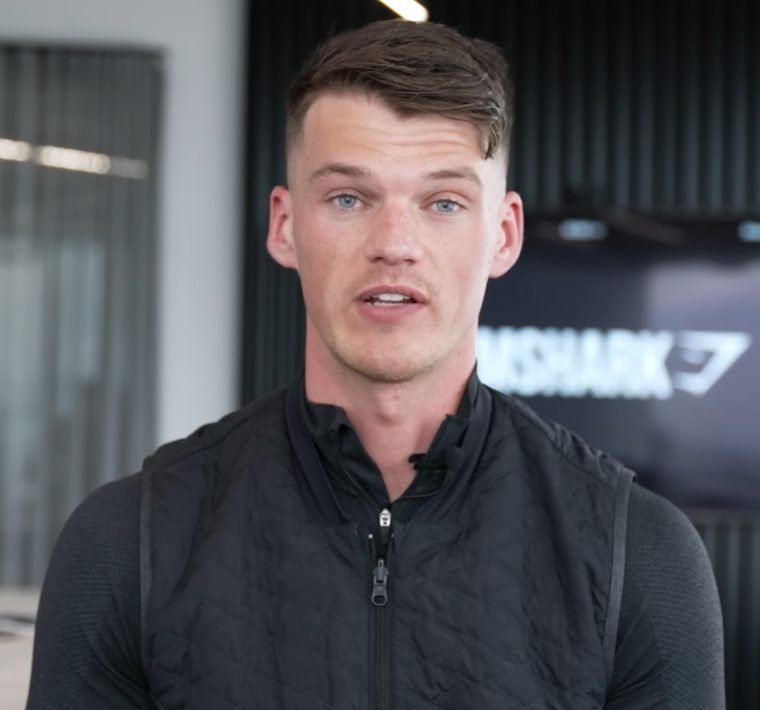
Ben Francis spent his evenings between five and ten delivering pizza for Pizza Hut at £5 an hour. After his shift he opened a laptop and worked on a gym clothing brand. By day he was a student at Aston University.
That schedule is the part of the Gymshark story that rarely makes the posters. Born in the West Midlands and raised in Bromsgrove, he found computers at school and the gym as a teenager. Before any of it, he had already run a small online business selling car number plates. He enrolled at Aston in 2010 to study international business and management.
The first version of Gymshark did not even make clothes. He and his school friend Lewis Morgan sold bodybuilding supplements, dropshipped from others. It took about six weeks to get the first sale. What bothered Francis was what he could not buy: gym wear that fitted the way lifters wanted it to.
So he made it himself. He took £1,000 of savings and bought a sewing machine and a screen printer, and set up in his parents' garage. He reportedly learned to sew from his grandmother. The first year, the brand turned over about £500 a day.
What almost nobody saw coming was how fast the garage outgrew itself. At the 2013 BodyPower show the stock sold out on day one. The Luxe tracksuit later brought in £30,000 within thirty minutes. When revenue passed £250,000, both founders walked away from university, and Francis soon quit the pizza rounds too, about six months after launch.
The cost showed later. In 2016 Morgan partly stepped back, holding on to a 20% stake. Francis kept the controlling share and the weight of the company. A brand that started with a male focus found that by 2020 about two thirds of sales were to women.
In August 2020 General Atlantic paid £275 million for 21%, valuing Gymshark at £1.25 billion. It opened its first permanent store on London's Regent Street in 2022. Revenue reached £646 million in 2025, but growth had a price: in April 2025 a restructure put almost a third of the workforce at risk of redundancy, and legal fights with influencers added noise. Francis, now an MBE, was reported in July 2026 to be in talks to buy back some of the shares sold in 2020.
The lesson is in the evening shifts. Francis did not bet everything on an idea. He funded it with a delivery job and £1,000, and he left both only when the sales proved him right.