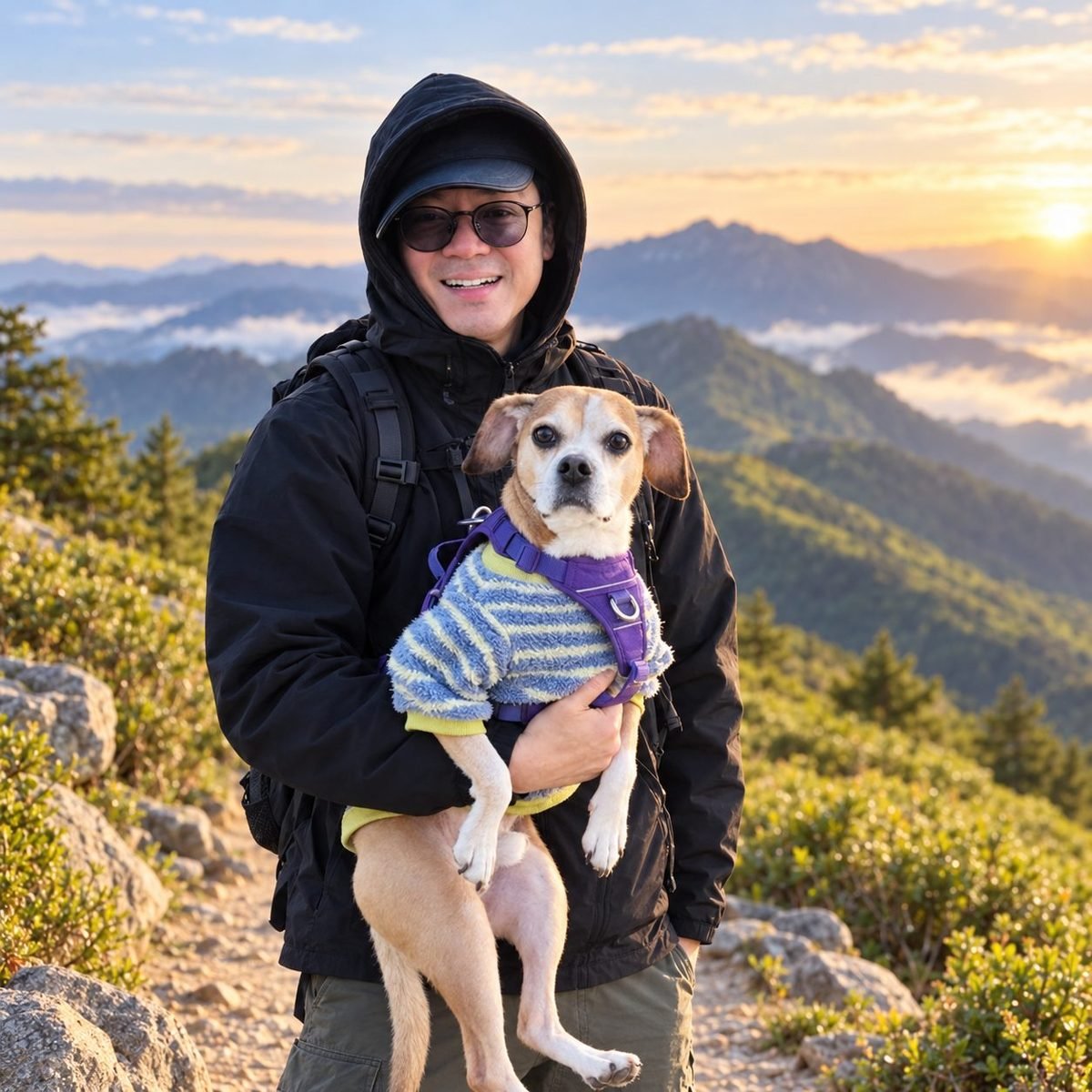
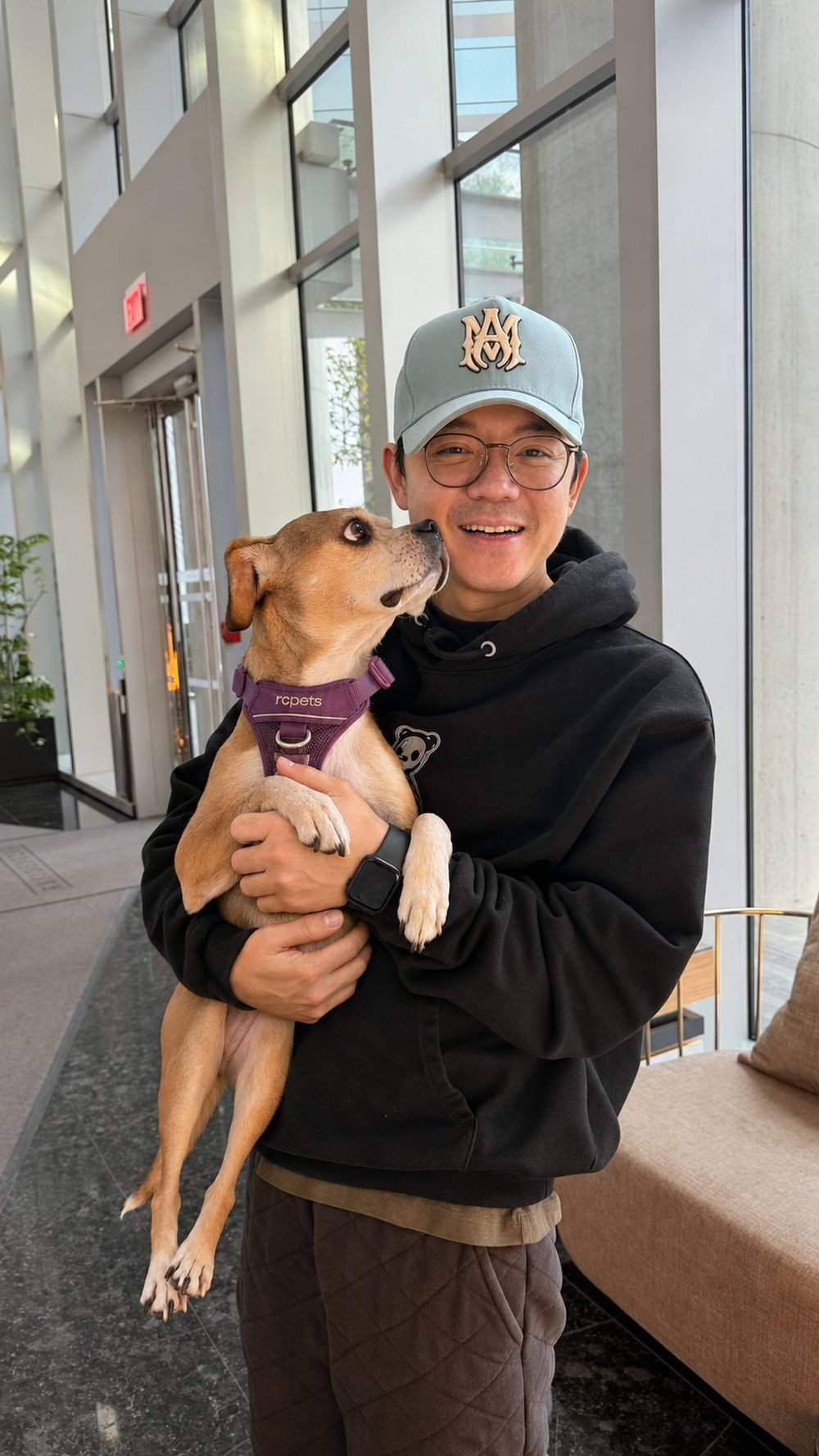
Every time Patrick Leong travelled, he paid for a full month of boarding for Toto, his shy, leash-happy dog, and then spent the trip wondering how he was settling in. No photos, no messages. That silence became OkTreat, a Vancouver pet-care community where you look after a neighbour’s pet, earn TreatCoins, and spend them on care for your own months later, with anyone in the network.
Leong is not a software engineer by training. He taught himself to build websites for his immigration consulting business, and when the developers he hired delivered a first version of OkTreat that fell short, he took over the code himself, with AI as his tutor. He launched in November 2026. We spoke about bartering time, a lost dog that rode with him for three days, and why he still walks with every new sitter before he leaves Toto behind.
Key takeaways
- TreatCoins let owners give care when they have time and get it back later, from a different member, so nobody needs the same favour on the same dates.
- A day of boarding is 1,440 TreatCoins, one coin per minute, though sitters set their own rates.
- A lost dog he travelled with for three days led to OkTreat Smart Tags, which let any finder call the owner with a scan or a tap.
- Leong is bootstrapped and says repeat exchanges in one neighbourhood matter more than raw sign-ups.
Before any of this
Startup.talk:What first got you into building software and products?
Leong:I wanted to build a website for my immigration consulting business. I had a clear idea of how it should look and what visitors should be able to do, but I found it hard to explain those details to someone else. I decided to learn how to build it myself so I could try things out and make changes as I went.
I had no technical background, so I taught myself Joomla and WordPress and picked up the basics of HTML, CSS, and PHP along the way. It took time, but I built the site I had in mind. That experience gave me the confidence to take on a bigger project when I started OkTreat.
The dog sitter bill
Startup.talk:What did paying for a month of boarding for Toto teach you?
Leong:When I travelled for a month, I used to pay for a full month of boarding for Toto. A month of boarding was a big expense, but what stayed with me was how little I knew about how he was doing while I was away. I didn’t get any photos, so I spent a lot of the trip wondering how he was settling in.
That experience shaped what I wanted to build with OkTreat. I wanted a more affordable way to arrange care and a way to get to know the person looking after Toto before I left. Even a quick photo or message while I was away would have made a difference.
Startup.talk:What is your dog like, and why was it so important to you that someone you trust looks after him?
Leong:Toto is shy around strangers, but once he’s on his leash and out for a walk, he’s full of energy. I want someone who’ll give him time to warm up and enjoy getting outside with him.
That’s why I like to meet a sitter before I leave. Even a short walk together can show me how they handle him on the leash and how comfortable he’s becoming around them. I can travel with more peace of mind when Toto has already had a chance to get to know the person looking after him.
Startup.talk:When did the idea of trading care instead of paying for it come to you?
Leong:About three years ago, I was thinking about what it cost to board Toto for a month while I travelled. I’d been on the paying side of pet care, and I started to think about what I could offer in return. When I’m home, I have time to look after someone else’s dog. Could I use that time to earn care for Toto on my next trip?
The idea clicked when I realised the exchange didn’t have to be between the same two people. I could look after one neighbour’s dog now and get help from another neighbour months later. That’s why I built TreatCoins into OkTreat. They let you give care when you have time and get care back when you need it.
“I could look after one neighbour's dog now and get help from another neighbour months later.”Patrick Leong
Startup.talk:What was your background before OkTreat, and are you building it alone?
Leong:I’m a Programme Director in education, and my background also includes immigration consulting. About three years ago, I started exploring whether pet owners could exchange their time by looking after each other’s pets. I researched how the exchange might work and asked a lot of people for advice.
I hired developers to build the first version of OkTreat, but the app they delivered fell short of what I had in mind. I took over development and learned as I went. Today, I lead OkTreat and work directly on the app myself, using AI to help me understand unfamiliar code, troubleshoot problems, and test ideas.
Startup.talk:How did Vancouver shape the idea?
Leong:Living in Vancouver helped me see both the problem and a possible solution. It’s an expensive city, and when you’re planning a trip, paying for several weeks of pet care can add a lot to the cost. At the same time, I saw so many people walking their dogs in my neighbourhood. It made me think about how many of us were facing the same problem, often just a few streets apart.
I wondered what would happen if we had an easier way to get to know each other and take turns looking after our pets. I could look after someone’s dog while they were away, earn TreatCoins, and use them to book care for Toto when I travelled. That’s how Vancouver shaped OkTreat. It made me see that the people who needed pet care could also be the people who provided it.
The product
Startup.talk:Why the name OkTreat?
Leong:A treat is a small way to show your pet you care. I wanted the name OkTreat to capture that same feeling and extend it to how pet owners can help each other.
With OkTreat, you can look after another member’s pet while they’re away, earn TreatCoins, and use them to book care for your own pet when you travel. That’s the idea behind the line we used on Product Hunt: Give pet care. Earn TreatCoins. Get care back.
Startup.talk:How does the TreatCoins system work, and why a credit instead of cash?
Leong:When you look after another member's pet, you earn TreatCoins. You can spend them later to book care for your own pet. A credit lets the exchange work across the community, even when two owners need help on different dates.
Startup.talk:How do sitters set their rates in TreatCoins?
Leong:Sitters can set their own rates in TreatCoins. I designed the system around a reference rate of 1,440 TreatCoins for 24 hours of boarding, based on one TreatCoin per minute. I used about $60 per day as a cash benchmark when designing that reference rate. The actual booking price depends on the rate the sitter sets.
Startup.talk:Why let people chat and meet before booking?
Leong:Every pet has a routine. A quick conversation can surface things a profile might miss, such as how a dog behaves around other pets or what helps it settle at night. Meeting beforehand also gives the pet a chance to get comfortable with the sitter.
Startup.talk:How do you build trust between strangers who look after each other's pets?
Leong:Trust starts before the booking. OkTreat uses Stripe Identity to verify sitters’ identities. Owners can also review a sitter’s profile, chat with them about their pet’s routine, and arrange a meet-and-greet before deciding whether to book.
For me, those steps work together. Identity verification helps owners know who they’re speaking with. A conversation and a chance to see how the sitter interacts with their pet help them decide whether it’s a good fit.
Startup.talk:Why Smart Tags with QR and NFC, and how do lost-pet alerts work?
Leong:In November 2025, while I was travelling, I found a dog on the street and had no way to contact its owners. The dog ended up travelling with me for three days. On the last day of my trip, I left the dog with a local pet shop owner, who helped me report it to the local police. They found the owners right away. I kept thinking about how much sooner that dog could have got home if I’d had a way to call them.
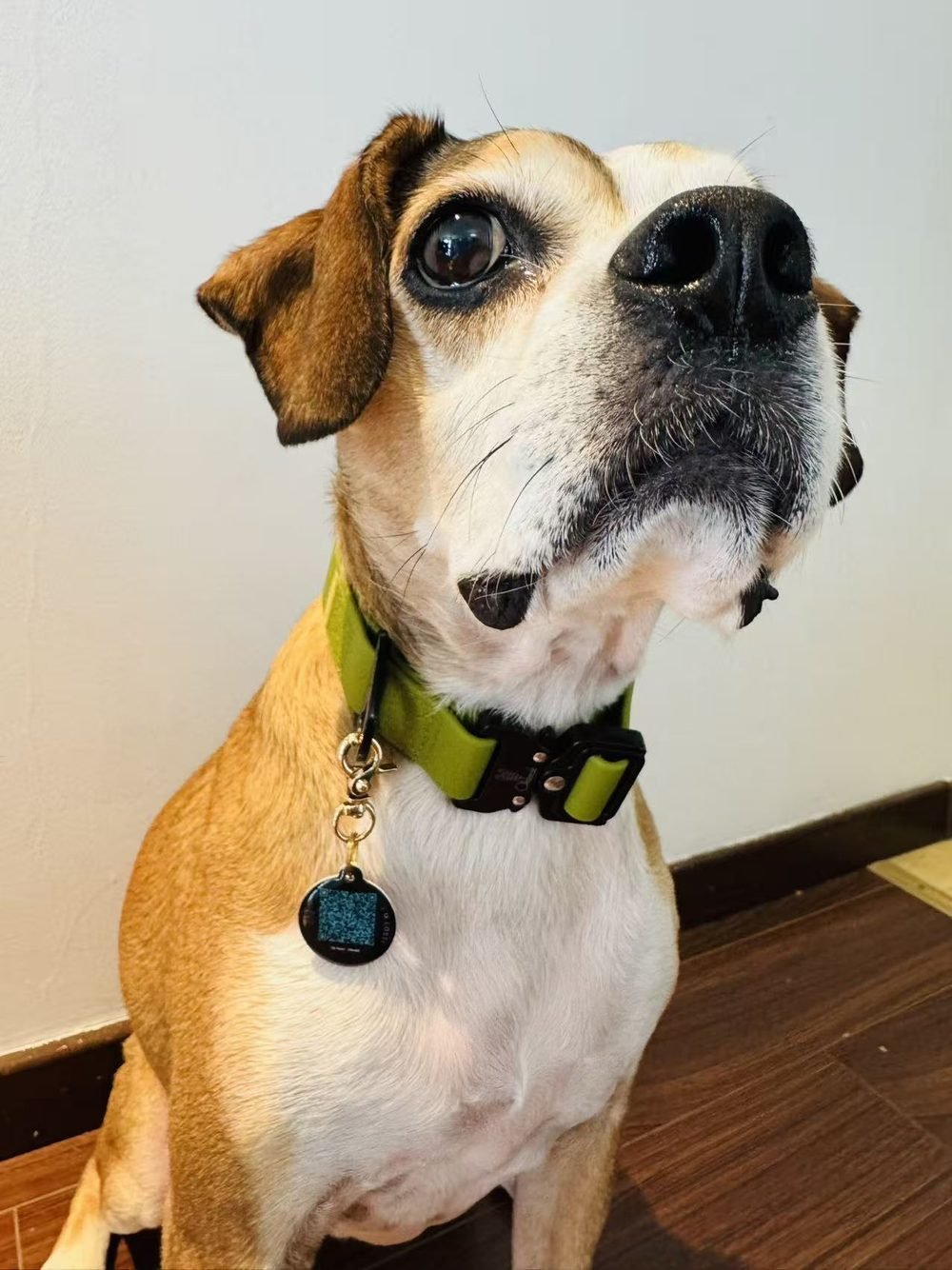
That experience inspired the OkTreat Smart Tag. If someone finds a pet, they can scan the QR code or tap the tag with a compatible phone to open the pet’s digital profile and call the owner. The profile can also hold vaccination records, vet details, and whether the pet is microchipped.
If the finder chooses to share their location, the owner can see where the tag was scanned. There’s also a separate lost-pet alert. When an owner marks their pet as lost in OkTreat, the app is designed to notify members within 25 km so they can keep an eye out.
“I kept thinking about how much sooner that dog could have got home if I'd had a way to call them.”Patrick Leong
Startup.talk:What is AI sitter matching, and how far along is it?
Leong:AI sitter matching is already built into OkTreat. It compares your pet’s temperament and care needs with a sitter’s experience and availability. If your dog is shy around strangers, for example, OkTreat can suggest someone who has cared for shy dogs and is free on the dates you need.
I designed the matching system to evolve over time. The first recommendation is based on what the pet owner and sitter tell us about themselves. As more bookings are completed, feedback about how the care went can help us understand which combinations work well and refine future suggestions. The goal is for each round of real bookings to teach us something that makes the next match better.
Startup.talk:What is Pals, and why include a feature for solo travellers?
Leong:PALS grew out of the community I was already building with OkTreat. Pet owners were getting to know each other through a shared love of animals, and I wanted to give that same community a way to meet and make friends while travelling. Once I’d arranged care for Toto, I could go on my trip. But travelling solo, I sometimes wished I had someone to share a meal with, go for a walk with, or explore a new city with.
With PALS, you can meet locals and other travellers in the same city and make plans around something you both enjoy. That might be a dog walk, a coffee, or a visit to a place you both want to see. It started with dog owners and is open to solo travellers with or without pets.
I also want people to feel more comfortable meeting someone new. That’s why I want PALS to use a live camera check to help verify that the person matches their profile photos. The idea is to give people more confidence about who they’re meeting before they make plans in person.
Startup.talk:How do you solve the cold start problem of needing both sitters and owners in one city?
Leong:I'd start neighbourhood by neighbourhood. A member can be both an owner and a sitter, so someone who joins looking for care can also help another member. The early goal is to have enough people close enough to each other to make a real booking practical.
Positioning
Startup.talk:Who is OkTreat for, and what job does it do for them? Describe the user who gets the most value.
Leong:OkTreat is for pet owners who sometimes need someone to look after their pet and are willing to do the same for others. A member might look after a neighbour's dog one weekend, then spend the TreatCoins on care for their own dog when they take a trip.
Startup.talk:How do you view your positioning relative to Rover, Wag and TrustedHousesitters? Is there another competitor you think of first?
Leong:People already have several ways to arrange pet care, from hiring a sitter to asking friends. OkTreat's approach is reciprocal care across a community. You can help one member today and use the credits with a different member later.
Startup.talk:What is your core moat that prevents a big pet care marketplace from replicating your feature set?
Leong:I think the biggest barrier is the business model. A marketplace that earns a fee on each paid booking has little incentive to replace those bookings with an exchange of time. If customers start trading care they would otherwise pay for, the marketplace could lose booking fees. Making reciprocal care central to the business would mean changing how it earns money and why people use it.
I built OkTreat around that exchange from day one. You can look after a neighbour’s dog, earn TreatCoins, and use them to book care for your own pet later. For that to work, you need enough people nearby who enjoy caring for pets and trust each other enough to keep coming back. A competitor could copy the credits. It would still have to build that community neighbourhood by neighbourhood while risking revenue from its existing bookings.
Startup.talk:What are some of the use cases for OkTreat that are not obvious and can add a lot of value to users? List as many as possible.
Leong:I started OkTreat because I needed care for Toto while I travelled, but it’s just as useful close to home. If you have a free weekend, you can look after a neighbour’s dog and earn TreatCoins. You can put those credits toward care later when your work schedule changes, you have a family commitment, or you’re heading out of town. The person who helps you can be a different member, so you don’t need to find someone who needs the same favour at the same time.
You can also book a short stay before a longer trip. That gives your dog time to get comfortable with the sitter and gives you both a chance to talk through meals, walks, and bedtime. A trial stay can be especially helpful for a pet that takes time to settle somewhere new.
The Smart Tag is useful between bookings, too. Your pet’s digital profile can hold vet details, care instructions, and whether your pet is microchipped. If your dog slips out through an open gate, the person who finds them can scan the QR code or tap the tag with a compatible phone to call you. They can also choose to share where they scanned it, giving you a place to start looking.
Startup.talk:What is the one detail in OkTreat you are proudest of?
Leong:I’m proudest that I turned a simple idea into something that works: you can barter your time for pet care. I can look after another member’s dog for a weekend, earn TreatCoins, and use them months later to book care for Toto. The person who helps me can be someone else in the community. We don’t have to need care at the same time to help each other.
AI matching helps owners find someone who understands their pet’s needs, but the exchange itself is what I’m proudest of. The time I spend helping another pet owner today can help me take care of Toto when I need it.
“We don't have to need care at the same time to help each other.”Patrick Leong
Launch
Startup.talk:What did you learn from the launch?
Leong:The launch taught me how important it is to explain OkTreat in plain language. “Reciprocal pet care” describes the model, but a real example makes it easier to picture. You look after someone’s dog for a weekend, earn TreatCoins, and use them months later to book care for your own dog. The person who helps you can be someone else in the community.
That’s why I’d lead with the exchange itself when introducing OkTreat. Once people understand how giving their time now can help them get care later, they can decide whether it would work for them.
Startup.talk:Which feedback from the launch surprised you?
Leong:What surprised me was how much people liked the idea of earning pet care by giving it. The part that seemed to click was that you could look after someone’s dog when you had a free weekend, earn TreatCoins, and use them to book care for your own pet months later. The person who helps you can be someone else in the community. That flexibility is what makes the exchange practical.
Startup.talk:What did the launch do for sign-ups and bookings?
Leong:It’s still early. So far, the Product Hunt launch has brought feedback on the idea of exchanging pet care. I haven’t seen a measurable increase in sign-ups or bookings yet.
The hard part
Startup.talk:What is a challenging time you had building this company?
Leong:One challenge has been making the exchange easy to understand. People are used to thinking of themselves as either an owner or a sitter. With OkTreat, the same person can do both. The app has to make each role clear while keeping the booking experience simple.
Startup.talk:What is the hardest part of running a marketplace where people trade care?
Leong:The hardest part is getting enough reliable care close by when people need it. A member needs someone who is available on the right dates and comfortable with their pet. Repeat exchanges in the same neighbourhood are a better sign of progress than sign-ups alone.
What it is all for
Startup.talk:What would make you say OkTreat has succeeded?
Leong:I'd call it a success when members regularly book care with TreatCoins they've earned and recommend the app because they found people they'd trust with their pets again.
Startup.talk:What does a community that looks after each other's pets mean to you?
Leong:It means being able to make plans without scrambling for pet care every time. It also means knowing people nearby well enough to return the favour when they need help.
The road ahead
Startup.talk:What are your milestones for the next 12 months, in users and revenue?
Leong:Over the next year, I want to grow repeat bookings in the communities we serve, improve sitter matching, and make it easier for members to get help through the app. I’ll track completed care exchanges, how often members come back to book again, and revenue to see where we’re making progress.
I also want to make OkTreat more useful throughout a trip. Once someone has arranged care for their pet, PALS can help them meet locals or other solo travellers and make plans together. I’d like to build on that with features travellers can use on the road, such as finding local activities, organising day trips, and getting mobile data through an eSIM.
Startup.talk:And for the next 24 months?
Leong:Over two years, I'd like to take what works in our strongest communities into more cities. I also want to keep improving Smart Tags and develop PALS around the kinds of meetups and activities people actually use.
Startup.talk:Where do you want OkTreat to be in five years?
Leong:In five years, I'd like OkTreat to be a service pet owners can rely on in many cities. I want someone to be able to plan a trip knowing they have a practical way to arrange care, and to feel that their own time spent helping other owners counts.
Startup.talk:What are your hopes and fears for a post AGI world?
Leong:My hope is that more people get the chance to build something they’ve had in mind for years. I came from immigration consulting and education, and AI helped me understand unfamiliar code and take over development of OkTreat. I’d like more people with firsthand experience of a problem to have the tools to do something about it.
My worry is that we’ll start trusting AI’s recommendations more than our own judgement. In OkTreat, AI can help me find a sitter who has experience with shy dogs like Toto. I still want to take a walk with that person and see how Toto responds before I decide. I hope we use more capable AI to make those decisions easier while keeping people responsible for them.
“I'd like more people with firsthand experience of a problem to have the tools to do something about it.”Patrick Leong
This interview was conducted in writing and has been edited lightly for length and clarity.
About OkTreat
OkTreat is a reciprocal pet-care community based in Vancouver. Members look after each other’s pets and earn TreatCoins to book care for their own. It also makes Smart Tags, QR and NFC pet ID tags, and Pals, which helps solo travellers meet locals. oktreat.com
For founders
Building something? Want to share your journey?
Tell us how it started, what nearly broke it and where it is headed. We will turn it into a story like this one.
Share your journeyFor readers
Want to read more human stories behind the startups?
New founder interviews and stories, as they are published.
Follow us on LinkedIn