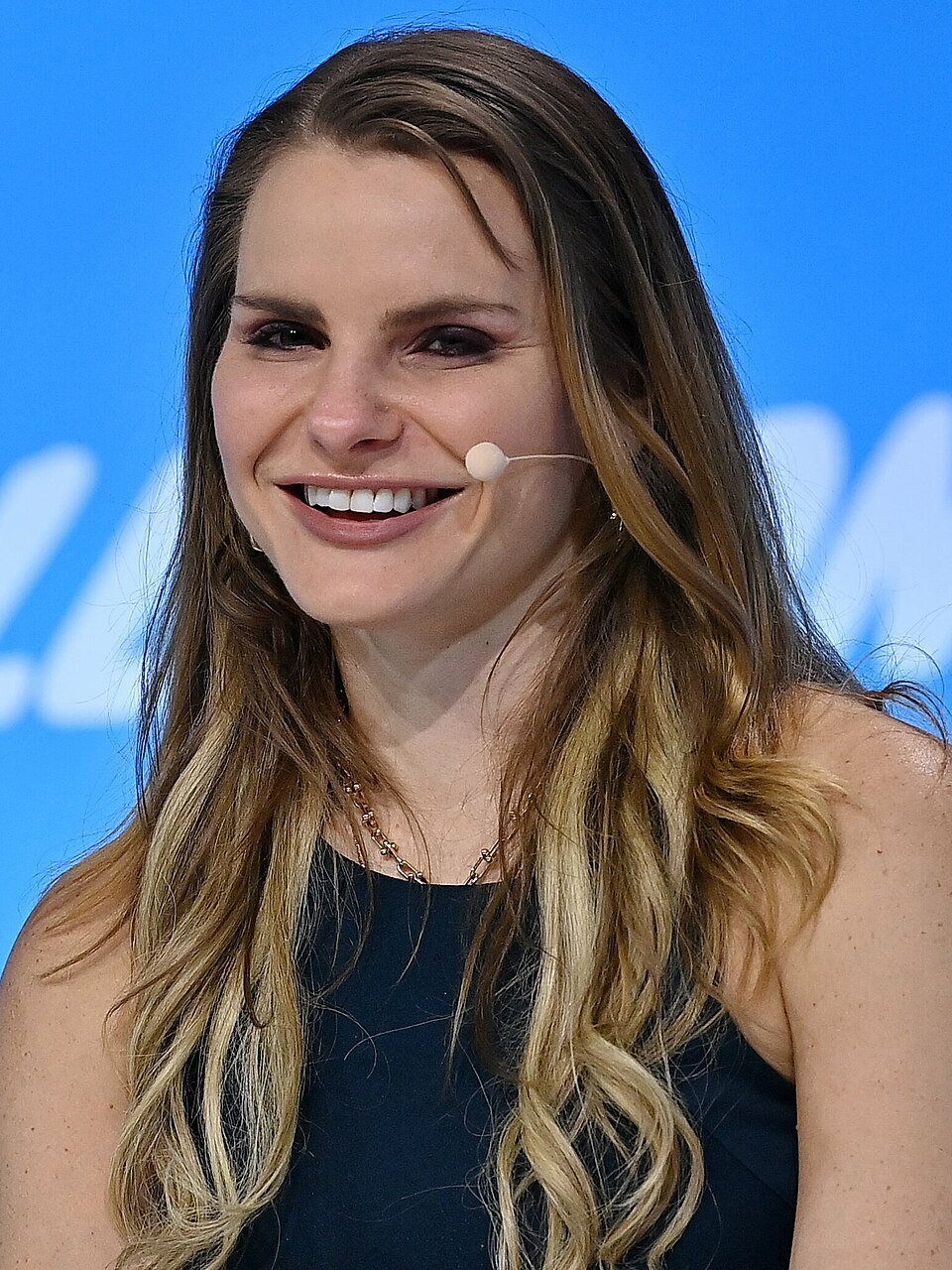
Before Michele Romanow ran a startup valued near US$2 billion, she ran a coffee shop. At Queen's University in Kingston she co-founded Tea Room, a zero-consumer-waste cafe, while studying civil engineering. In 2007 the university gave her its highest student honour, the Agnes Benidickson Tricolour Award.
She was born in Calgary and raised in Regina, the daughter of Marvin Romanow, who went on to be president and chief executive of Nexen. Business was a family language, and she took to it early. After Queen's, where she also finished an MBA, she co-founded a string of companies: Evandale Caviar, Buytopia.ca and SnapSaves. In 2014 Groupon acquired SnapSaves and relaunched it in the United States as Snap by Groupon. Forbes had already named her a Millennial on a Mission in 2013, the only Canadian on that list.
Romanow joined Dragons' Den that same era, becoming its youngest cast member.
She was a seasoned founder by 2015, when she and Andrew D'Souza started Clearbanc. The pitch was blunt. Startups, especially online sellers, spend heavily on advertising and need cash before the sales arrive. Venture capital took equity and months to decide. Clearbanc offered a decision within 48 hours, a 20-minute term sheet, and cash repaid as a share of future revenue, with no stake given up. Funding ranged from US$10,000 to US$10 million, with fees between 6 and 12.5 percent.
It worked, and loudly. By August 2019 Clearbanc had invested in 791 businesses and raised US$1 billion. Romanow joined Dragons' Den that same era, becoming its youngest cast member. In 2021 the company rebranded as Clearco, reached a valuation around US$2 billion and announced a European push in Germany with a pledge of 500 million euros.
Then the market turned. Rising interest rates and falling tech valuations hit a business that lent against future sales. In 2022 Clearco cut about 125 employees, roughly a quarter of its team, then pulled back from the UK, Germany, Ireland and Australia. In January 2023 another cut of around 30% followed, and Romanow stepped down as CEO. Headcount fell to about 140 from roughly 500 the year before. Both co-founders were gone.
The record shows a company that grew faster than its funding model could bear. Money lent against ad spend looked safe in a boom and fragile in a downturn.
For a founder, the lesson is about speed. Raising and lending quickly created enormous momentum, but the same speed removed the margin for error.